You Won’t Believe What Happens When This Thai Island Comes Alive at Night
Koh Lipe isn’t just white sands and turquoise waves—it’s a place where culture pulses with color, rhythm, and community. I went not knowing what to expect, only to stumble upon a festival season bursting with energy, tradition, and island pride. Locals danced under string lights, seafood sizzled on open grills, and drums echoed through the narrow lanes. This is more than a beach getaway—it’s a living celebration of life in southern Thailand. The island, often praised for its postcard-perfect shores, reveals a deeper soul when night falls and the heartbeat of its people begins to rise. What unfolds is not staged for cameras but lived with sincerity, joy, and deep-rooted belonging.
Arrival: First Impressions of a Festival-Ready Island
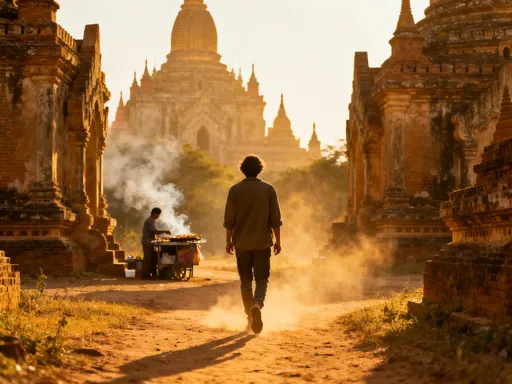
Landing on Sunrise Beach during festival season feels like stepping into a different world—one where the air hums with anticipation and every path leads toward celebration. The wooden pier, usually quiet with early morning fishermen, was lined with colorful pennants fluttering in the sea breeze. Strings of lanterns crisscrossed above the boardwalk, and the scent of charcoal smoke and spices drifted from newly set-up food stalls. Locals waved from doorways, children darted between tables arranging flower garlands, and the steady beat of practice drums pulsed from a small stage being assembled near the central square. It was clear this was no ordinary week on Koh Lipe.
The transformation of the island during these seasonal festivities is both subtle and profound. While the natural beauty remains untouched, the human energy shifts dramatically. Temporary performance spaces emerge in open courtyards, often built by hand from bamboo and recycled materials. Vendors from nearby islands arrive with handmade crafts, traditional garments, and ingredients for festival-specific dishes. Foot traffic increases not just from tourists, but from neighboring communities coming to participate in shared traditions. The rhythm of daily life slows in some ways—shops close earlier, fishing boats stay docked—but it accelerates in others, as families prepare for nights filled with music, prayer, and communal feasting.
Sensory impressions dominate the first few hours on the island. The sound of *kompang* drums rehearsing in unison blends with the call to prayer echoing from the small mosque near the beach. The smell of grilled mackerel wrapped in banana leaves drifts through alleyways, mingling with the sweetness of ripe mango and pandan. Laughter spills from open-air homes where elders gather, sipping sweet tea and watching grandchildren practice dance steps. Even the pace of conversation feels warmer, more deliberate. Strangers greet each other not with transactional politeness, but with genuine recognition—this is a time of reunion, remembrance, and renewal.
The Heartbeat of Koh Lipe: Understanding Local Festival Culture
To truly appreciate Koh Lipe’s nighttime transformation, one must understand the cultural roots that fuel it. The island’s population is primarily composed of the Orang Laut, a Malay-speaking Muslim community with centuries of maritime heritage. Their traditions are deeply interwoven with the tides, the moon cycles, and the rhythms of religious observance. Festivals here are not tourist attractions—they are expressions of identity, gratitude, and spiritual connection. They mark moments of transition: the end of Ramadan, the blessing of new boats, the harvest of certain seasonal crops, or the honoring of ancestral customs passed down through generations.
These celebrations are community-led and spiritually grounded. Unlike commercialized events seen in more developed tourist zones, Koh Lipe’s festivals are organized by local committees, often led by village elders and religious leaders. Participation is expected, not optional. Children take part in processions wearing hand-stitched costumes; families prepare large trays of food to share at communal feasts; fishermen bring their boats ashore for ceremonial blessings. The festivals serve as both religious observance and social cohesion—moments when the island unites not as performers and spectators, but as kin.
One of the most meaningful aspects of these traditions is their alignment with natural and lunar cycles. A major festival might coincide with the full moon of a particular month, believed to bring good fortune for the coming season. Others follow the Islamic calendar, such as Hari Raya Aidilfitri, which marks the end of Ramadan. During this time, homes are cleaned, new clothes are worn, and doors are opened to visitors—Muslim and non-Muslim alike. The emphasis is on forgiveness, generosity, and renewal. These events are not just about celebration; they are about balance—between the sacred and the joyful, the individual and the collective, the past and the present.
A Night to Remember: Experiencing the Lantern & Music Festival
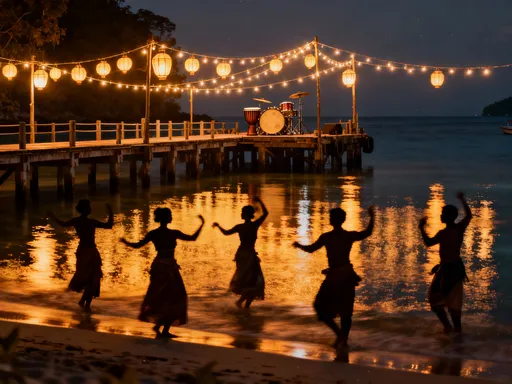
The highlight of my visit was the Lantern & Music Festival, an event that takes place annually during the cooler months when the sea is calm and the skies are clear. As dusk settled over the Andaman Sea, the central pathway of Koh Lipe began to glow with hundreds of handmade lanterns—some shaped like fish, others like stars or flowers, all crafted from recycled paper and floating candles. Families gathered near the pier, where children carefully placed their lanterns onto the water, watching them drift gently outward like glowing constellations on the tide.
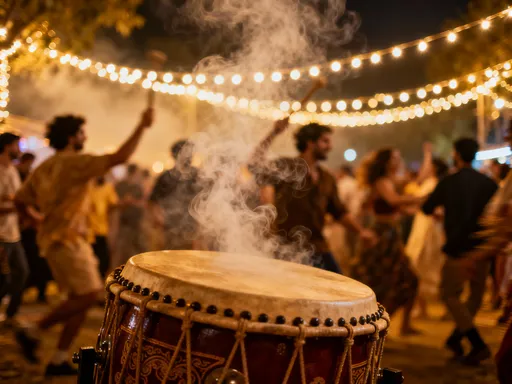
But the real magic began when the drumming started. A circle formed near the beach—a mix of elders, teenagers, and even visiting relatives from the mainland. The rhythm of the *kompang* and *gendang* drums built slowly, layer upon layer, until the entire space seemed to vibrate with energy. Then came the *joget*, a traditional Malay dance characterized by fluid hand movements and light footwork. At first, I stood at the edge, hesitant to intrude. But within minutes, a young woman pulled me in with a smile, showing me the basic steps. No one judged my missteps; instead, laughter and encouragement filled the air. This was not performance—it was participation, pure and unscripted.
One moment stands out vividly: an elderly woman, her hair wrapped in a floral *tudung*, approached with a small plate of *kuih*—sweet, sticky rice cakes wrapped in banana leaf. She handed one to each person in the circle, her eyes crinkling with warmth. Nearby, children ran with glow sticks, weaving between dancers, their laughter blending with the music. The atmosphere was electric yet intimate, joyful yet reverent. There was no separation between guest and host, tourist and local. We were all part of the same moment, connected by rhythm, light, and the simple act of being together under a starlit sky.
Taste of Celebration: Festival Food That Tells a Story
No festival on Koh Lipe is complete without food—and not just any food, but dishes that carry meaning, memory, and generations of tradition. During the celebration season, the island becomes a living kitchen, where every bite tells a story. I joined a late-night food walk with a local guide named Amina, whose family has lived on the island for over six decades. She led me through the bustling night market, pointing out stalls that have been run by the same families for generations.
We began with *ketupat*, diamond-shaped rice cakes steamed in woven palm leaves. Amina explained that this dish is especially significant during Hari Raya, symbolizing unity and the wrapping up of past grievances. It’s traditionally eaten with *rendang*, a slow-cooked meat stew rich with coconut milk and spices, though on Koh Lipe, a seafood version made with tuna or mackerel is more common. The flavor is deep, slightly sweet, and profoundly comforting—like a warm embrace on a plate.
Next came *apam balik*, a thick, griddled pancake filled with crushed peanuts, sweetened corn, and shredded coconut. Cooked over charcoal, the edges crisp perfectly while the center remains soft and chewy. Amina told me this was her favorite childhood treat, sold by her grandmother during festivals. “It’s not just food,” she said. “It’s memory. When I taste it, I hear her voice calling me home.”
We ended with grilled squid, marinated in lime, garlic, and bird’s eye chili, served on a bed of banana leaf. The heat was intense but balanced by the freshness of the sea air and a squeeze of calamansi. Every dish we tried was made from scratch, using ingredients sourced from the island or nearby waters. There were no plastic containers, no mass-produced sauces—just real food, prepared with care and shared with pride. This is not culinary tourism; it is culinary heritage, preserved not in museums, but in the hands of those who cook it, night after night, season after season.
Timing Your Visit: When and Why to Plan Around Festivals
For travelers seeking an authentic experience, timing a visit to coincide with one of Koh Lipe’s festivals can be transformative. The most significant events follow the Islamic calendar, meaning their dates shift each year. Hari Raya Aidilfitri, which celebrates the end of Ramadan, is one of the largest and most joyous occasions. It typically falls between April and May, depending on the lunar cycle. Another important event is the boat-blessing ceremony, often held in November or December, when local fishermen bring their vessels ashore for prayers, decorations, and communal meals.
These festivals generally occur during the dry season, from November to March, when weather conditions are ideal for outdoor gatherings and sea travel. This also happens to be peak tourist season, so advance planning is essential. Accommodations on Koh Lipe are limited—ranging from family-run bungalows to eco-friendly guesthouses—and they fill up quickly during festival weeks. Booking at least three to four months in advance is strongly recommended, especially if you hope to stay within walking distance of the central area.
While the crowds can be lively, visitors are generally welcomed with open arms—as long as they approach with respect. Dress modestly, particularly during religious phases of the festival. Remove shoes before entering homes or prayer spaces. Ask before taking photographs, especially of children or during rituals. And most importantly, participate when invited, but never force your way into private moments. The beauty of these events lies in their sincerity; they are not shows, but lived experiences. When you are included, it is a gift—one that should be received with gratitude and humility.
Beyond the Party: Quiet Corners During the Chaos
Even at the height of celebration, Koh Lipe never loses its tranquil essence. For those who need a pause from the music, the crowds, or the sensory overload, the island offers pockets of peace that are just a short walk or boat ride away. I found my favorite moment at dawn on Sunset Beach, where the sand was still cool and the only sound was the gentle lap of waves. A small group practiced yoga on a wooden platform overlooking the water, their movements slow and synchronized with the rising sun. No music, no instructor—just silence and breath.
Snorkeling trips to the nearby coral reefs provide another form of retreat. Early morning excursions avoid the midday heat and the larger tour groups. The waters around Koh Lipe are home to vibrant marine life—parrotfish darting between coral branches, clownfish nestled in anemones, and the occasional sea turtle gliding past like a quiet guardian. These dives are not adrenaline-fueled adventures, but meditative journeys into another world, one that remains untouched by human noise.
For a quieter cultural experience, I visited a hillside café run by a retired schoolteacher named Pak Somchai. Perched above the main village, the café offers panoramic views of the sea and serves traditional Thai-Malay coffee brewed slowly over charcoal. He shared stories of the island’s changes over the decades, always emphasizing how the core values—community, respect, and harmony—have remained constant. “The festivals bring energy,” he said, “but the calm is what keeps us grounded.”
Why Festival Travel Changes How You See a Place
Traveling during a local festival does more than fill a camera roll—it reshapes the way we understand a destination. Sightseeing allows us to observe; festival participation allows us to belong, even if only for a moment. On Koh Lipe, I didn’t just see culture—I felt it in the beat of the drums, tasted it in shared meals, and saw it in the eyes of a grandmother who welcomed me into her circle without hesitation.
These experiences offer something guidebooks cannot: truth. They reveal the values, rhythms, and emotions that define a community. They show us that joy is not always loud, that celebration can be sacred, and that hospitality is not a service, but a way of life. When we choose to travel this way—to seek out moments of shared humanity rather than perfect photo opportunities—we allow destinations to reveal their soul.
Koh Lipe at night is not just a place of lanterns and music. It is a living testament to the power of tradition, community, and connection. It reminds us that the most meaningful journeys are not measured in miles, but in moments of genuine exchange. So the next time you plan a trip, consider not just when the weather is best—but when the heart of the place beats loudest. Arrive not as a spectator, but as a guest. And let the rhythm of another world change the way you see your own.