Hiking Temples and Tasting Secrets in Bagan
You know what? Bagan isn’t just about sunrise views over ancient pagodas. I laced up my boots, hit the trails between temples, and stumbled upon something unexpected—mouthwatering local food hidden in plain sight. This is more than a hiking trip; it’s a flavor-filled journey through Myanmar’s heart. If you think Bagan is only for photographers and hot-air balloons, think again. The real magic happens on foot, one step—and one bite—at a time. Walking among the thousands of temples that dot the plains of central Myanmar offers a rare kind of intimacy with history, culture, and daily life. While many tourists zip from site to site on e-bikes or horse-drawn carts, those who choose to hike discover quieter paths, deeper connections, and flavors that linger long after the journey ends. This is not just sightseeing—it’s soul-stirring exploration.
Why Hiking Transforms Your Bagan Experience
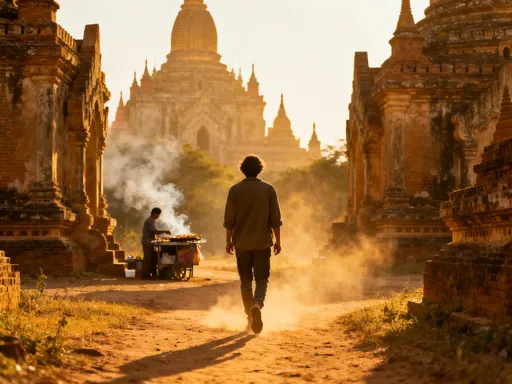
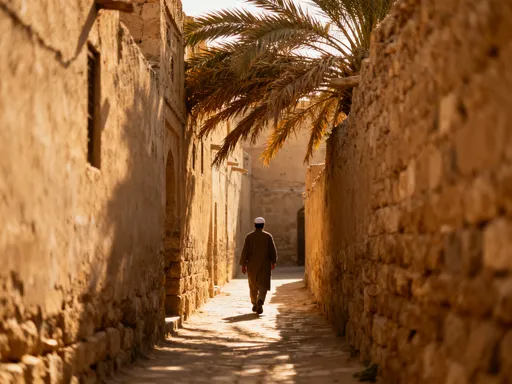
Walking through Bagan changes everything. When you move at human pace, the landscape opens up in ways vehicles simply cannot match. The vast temple field—home to over 2,000 surviving stupas and temples—feels less like a museum and more like a living, breathing world. You begin to notice details: the texture of weathered brick, the soft chime of wind through prayer flags, the shadow patterns cast by pagodas as the sun arcs across the sky. More importantly, you become part of the rhythm of local life. Farmers lead water buffalo along dusty lanes. Children wave from village thresholds. Monks in saffron robes pass quietly on alms rounds. These are moments missed when speeding past on an e-bike.
The difference between riding and walking is not just physical—it’s emotional. On foot, you enter a meditative state. Each step becomes a form of attention. You slow down, breathe deeper, and allow space for spontaneity. That’s how I found myself sitting cross-legged under a tamarind tree, sharing a meal with a temple caretaker who offered me a bowl of warm lentil soup. There was no menu, no price tag—just generosity. This kind of connection doesn’t happen on a schedule. It unfolds naturally when you’re present, unhurried, and open to discovery.
Hiking also reshapes your sense of scale. From a distance, the temples seem clustered tightly together. But on foot, you realize the distances are greater, the terrain more varied. Some paths wind through dry grasslands, others cut between rice fields or near small orchards. The journey between two temples can take 20 minutes or more, giving you time to reflect, observe, and absorb. And because you’re not following a standard tour route, you often have entire temple complexes to yourself—especially in the early morning or late afternoon. This solitude allows for a deeper appreciation of the artistry, spirituality, and engineering that went into these sacred structures.
Choosing the Right Hiking Route Among the Temples
Not all temple zones are equally suited for hiking, and choosing the right path makes a significant difference in comfort and experience. Old Bagan, the central tourist hub, has many well-maintained paths and is compact enough for short walks, but it tends to be crowded, especially at sunrise. For a more immersive experience, consider starting in Myinkaba, a village just south of Old Bagan. It’s quieter, less commercialized, and home to some of the oldest and best-preserved temples, including the stunning 12th-century Gubyaukgyi Temple with its intricate wall paintings.
Another excellent option is the area around Wetkyi-in and Taungbyone villages, where temple density remains high but visitor traffic drops noticeably. These routes often follow dirt trails used by locals, connecting ancient sites with everyday rural life. Walking here feels like stepping into a different era—one where time moves slowly and traditions endure. If you're comfortable with longer distances, a loop from New Bagan through Myinkaba and back to Old Bagan offers a full-day trek with varied scenery and manageable terrain.
When planning your route, consider several factors: heat, terrain, temple spacing, and access to shade and water. The Burmese central plain can reach over 40°C (104°F) during the dry season, so early morning hikes—starting around 5:30 or 6:00 a.m.—are ideal. Late afternoon walks, beginning after 4:00 p.m., also offer cooler temperatures and beautiful golden-hour light. Avoid midday treks unless you’re well-prepared. Look for looped trails that return you to your starting point, minimizing backtracking. Linear routes require transportation planning, such as arranging a pick-up or walking one way and returning by e-bike.
Local maps and GPS apps can help, but don’t rely solely on technology. Cell service can be spotty, and digital maps may lack detail. Instead, sketch a simple route the night before using a printed guide or hotel map. Mark key temples and potential rest stops. Ask your guesthouse staff for walking suggestions—they often know the safest and most scenic paths. Remember, getting slightly lost isn’t failure; it’s often how the best discoveries happen. A wrong turn once led me to a small monastery where nuns were preparing breakfast, and I was invited to join them for tea and rice cakes—an experience no guidebook could have predicted.
What to Pack for a Temple Trek in Myanmar’s Heat
Packing wisely is essential for a safe and enjoyable hiking experience in Bagan. The combination of intense sun, low humidity, and open terrain demands careful preparation. Start with clothing: lightweight, breathable fabrics like cotton or moisture-wicking synthetics are ideal. Long sleeves and pants offer superior sun protection and are culturally respectful, especially when visiting active religious sites. A wide-brimmed hat or traditional Burmese hat (gaung paung) provides shade for your face, neck, and shoulders. Sunglasses with UV protection help reduce eye strain under the bright sky.
Footwear is critical. Many travelers make the mistake of wearing sandals or city shoes, only to find their feet blistered by midday. The terrain varies—packed dirt, loose gravel, uneven steps—and some temples require climbing. Sturdy walking shoes or trail sandals with good grip and ankle support are recommended. I found that lightweight hiking shoes with breathable mesh worked best: they kept my feet cool while protecting against sharp stones and thorns. Break them in before your trip to avoid discomfort. Avoid heavy boots—they trap heat and add unnecessary strain in high temperatures.
Hydration is non-negotiable. Carry at least two liters of water in a reusable bottle or hydration bladder. Consider adding electrolyte tablets to prevent dehydration, especially on longer hikes. A small insulated bottle helps keep water cool. Don’t wait until you’re thirsty—sip regularly. Some guesthouses offer free boiled water refills; take advantage of this. Avoid drinking tap water or accepting ice from untrusted sources. A portable water filter or purification drops can be useful if you plan extended treks beyond tourist areas.
Other essentials include sunscreen (SPF 50+), lip balm with UV protection, and a lightweight scarf or shawl. The scarf serves multiple purposes: sun shield, dust mask, seat cover when sitting on temple floors, and modesty wrap when entering religious buildings. A small backpack (15–20 liters) holds your gear comfortably without weighing you down. Include a basic first-aid kit with blister treatment, antiseptic wipes, and pain relievers. A power bank ensures your phone stays charged for photos and navigation. Finally, carry a small notebook or journal—many walkers find that recording thoughts, sketches, or food discoveries enriches the journey.
Hidden Dining Spots Only Walkers Discover
One of the greatest rewards of hiking in Bagan is the access it provides to authentic, off-the-beaten-path food experiences. While tourists crowd around balloon-view restaurants and hotel buffets, walkers stumble upon humble village stalls, family-run eateries, and roadside kitchens that serve some of the most delicious and affordable meals in the region. These places don’t appear on food blogs or travel apps—they exist because locals need to eat, and travelers on foot are welcome to join them.
On a morning hike between Myinkaba and Wetkyi-in, I turned down a narrow path and spotted a cluster of women preparing food under a thatched awning. A sign in Burmese marked it as a local teahouse. Inside, men sipped green tea and ate steamed buns. I pointed to what someone else was eating, smiled, and was handed a plate of Shan noodles—thin rice noodles topped with a savory tomato and lentil sauce, minced pork, and fresh herbs. It was simple, flavorful, and cost less than a dollar. This is the kind of meal you don’t find unless you’re walking.
Another discovery came after a long afternoon trek near Taungthaman village. Exhausted and hungry, I saw an elderly woman selling mango salad from a wooden cart. She tossed fresh green mango strips with chili, lime, fish sauce, roasted peanuts, and dried shrimp using practiced hands. The balance of sweet, sour, salty, and spicy was perfect. She handed me a small plastic bag with a toothpick for eating—no plates, no chairs, just pure flavor. Nearby, a boy grilled sweet bananas on a charcoal stove, wrapping them in foil with condensed milk. For dessert, I bought two for 300 kyat (about 15 cents). These spontaneous food encounters are the heartbeat of Bagan’s culinary culture.
Other must-try dishes found along hiking routes include mohinga (a fragrant fish noodle soup often eaten for breakfast), samosas with chickpea curry, and sticky rice parcels wrapped in banana leaves. Some village stalls offer fresh coconut water straight from the shell, served with a straw. Look for places where locals are eating—this is the best indicator of quality and hygiene. Don’t expect menus in English; point, smile, and be open to surprise. Many of these spots operate only in the mornings or late afternoons, aligning with local meal times and avoiding the midday heat. By hiking, you sync your rhythm with theirs—and that’s when the real connections happen.
The Link Between Movement and Appetite: Why Food Tastes Better After Hiking
There’s a simple truth many hikers learn the hard way: food tastes better when you’ve earned it. After several hours of walking under the open sky, with the sun on your skin and dust on your shoes, even the most basic meal feels like a feast. This isn’t just hunger—it’s a sensory awakening. Physical activity increases blood flow, sharpens the senses, and resets your appetite. The aromas of garlic, chili, and turmeric become more intense. The texture of noodles, the crunch of fresh vegetables, the warmth of steamed rice—all are experienced more vividly after a long trek.
Science supports this: moderate exercise stimulates the vagus nerve, which plays a role in digestion and taste perception. It also triggers the release of endorphins, enhancing mood and making food more enjoyable. But beyond biology, there’s a psychological element. When you walk from temple to temple, relying on your own two feet, each meal becomes a celebration of progress. That bowl of noodles isn’t just lunch—it’s a reward. It marks a pause in your journey, a moment of rest and replenishment. You savor it slowly, grateful for shade, for flavor, for human kindness.
Local meal timing naturally complements hiking schedules. Breakfast in Bagan villages typically begins around 6:00 a.m., just as the first light hits the pagodas. This makes morning hikes ideal for ending at a local teahouse with a hot meal. Similarly, late-afternoon walks (starting around 4:30 p.m.) align with dinner preparations in rural homes and small eateries. You might arrive just as a family is serving steamed fish with ginger and lime, or a vendor is frying samosas for the evening crowd. By matching your pace to the local rhythm, you don’t just eat—you participate.
Some of my most memorable meals began with fatigue and curiosity. One day, after hiking over 10 kilometers, I sat down at a wooden bench outside a temple caretaker’s hut. He brought me a plate of curried vegetables and sweet sticky rice without being asked. We didn’t share a language, but we shared the meal in silence, watching the sun dip behind the horizon. The food was simple, but the experience was profound. Movement creates space for these moments—ones that touch not just the stomach, but the soul.
Practical Tips for Combining Hiking and Dining Safely
While the food rewards of hiking in Bagan are immense, it’s important to approach street eating with care, especially for travelers unfamiliar with local conditions. Food hygiene varies, and肠胃upset can quickly derail a trip. The key is smart choices, not avoidance. First, prioritize stalls that are busy with locals—high turnover means fresher ingredients. Watch how food is handled: is it cooked to order? Is hot food kept hot and cold food kept cold? Are hands washed or gloves used? These signs indicate better hygiene practices.
Stick to cooked, hot foods whenever possible. Dishes like Shan noodles, mohinga, and curries are boiled or fried, reducing risk. Avoid raw salads unless you’re confident in the water quality, though fresh mango salad from a clean vendor is generally safe. Peel fruits yourself—bananas, mangoes, and oranges are excellent energy boosters. Always carry hand sanitizer and use it before eating, especially when no handwashing facilities are available.
Hydration is equally important. Drink only sealed bottled water or purified water. Avoid ice unless you’re certain it’s made from filtered water—many guesthouses provide safe ice upon request. Coconut water from freshly opened coconuts is usually safe and highly refreshing. Sip water consistently throughout your hike rather than waiting until you’re thirsty. Dehydration can mimic or worsen food-related discomfort.
Cultural etiquette matters, too. When eating near temples or in small communities, dress modestly and remove shoes if sitting on mats. Eat with your right hand if using traditional style, as the left is considered unclean in many Burmese contexts. A smile and a quiet “kyar ba deh” (thank you) go a long way. Tipping isn’t expected at small stalls, but leaving a little extra shows appreciation. Above all, approach each meal with respect—these are not performances for tourists, but real moments of daily life.
Making the Most of Your Bagan Adventure: A Balanced Itinerary
To fully embrace the hiking and dining rhythm of Bagan, a thoughtful itinerary makes all the difference. Start early: wake before dawn, pack your day bag, and begin walking by 5:30 a.m. This allows you to witness sunrise from a quiet temple (Ananda or Shwesandaw are popular, but smaller ones like Thatbyinnyu offer solitude). After an hour of exploration, head to a local breakfast spot—many teahouses open by 6:30 a.m. Enjoy mohinga or Shan noodles, then continue your hike through Myinkaba or into the surrounding villages.
By 9:30 a.m., return to your guesthouse to rest, rehydrate, and escape the midday heat. Use this time to shower, review photos, or journal. Resume activity in the late afternoon, around 4:00 p.m., when temperatures drop. Choose a new route—perhaps one that leads toward a lakeside or village market. Time your walk to end at a local dinner spot, where you can try curries, soups, or grilled snacks. Finish with a quiet temple visit at dusk, when the light is soft and the crowds have thinned.
This rhythm—active mornings, rest in the heat, renewed exploration in the cool of evening—aligns with both climate and culture. It avoids the exhaustion of full-day hikes while maximizing meaningful experiences. It also reduces your environmental footprint, relying on human power rather than motorized transport. Most importantly, it creates space for spontaneity. You’re not rushing from checklist to checklist. You’re present. You’re open. You’re walking not just to see, but to feel.
Bagan is more than a destination—it’s a state of mind. By choosing to hike, you step off the tourist trail and into the heart of Myanmar. You move slowly. You eat simply. You connect deeply. And in doing so, you discover that the best journeys are not measured in miles, but in moments: the taste of fresh herbs on your tongue, the sound of temple bells in the wind, the smile of a stranger who shares their meal. This is travel at its most human, most real, most unforgettable. So lace up your shoes. Step off the path. Let your feet—and your appetite—lead the way.