You Won’t Believe These Secret Theme Zones in Haifa—My Private Escape Uncovered
Haifa isn’t just a city—it’s a layered escape hiding themed worlds in plain sight. From cliffside gardens to hidden cultural enclaves, I discovered how its unique neighborhoods offer more than meets the eye. This is not your typical tourist trail. What makes Haifa special is how each area tells its own story, blending nature, history, and local life. If you’re seeking authentic, offbeat experiences, let me show you the side of Haifa only locals and deep explorers ever see.
The Magic of Haifa’s Themed Neighborhoods
Haifa unfolds like a storybook where every chapter transports you to a different world. Unlike cities built on grid-like uniformity, Haifa spirals up the slopes of Mount Carmel and stretches along the Mediterranean coast, creating natural divisions that have evolved into distinct theme zones. These are not artificially created districts designed for tourism, but organic neighborhoods shaped by history, migration, geography, and community spirit. Each area carries its own rhythm—some quiet and contemplative, others vibrant and full of life—yet all coexist within a single city.
The German Colony, with its stone villas and shaded alleys, feels like stepping into a European village frozen in time. Once home to Templar settlers in the 19th century, this area now blends historic preservation with modern charm. Walking through its tree-lined streets, you’ll notice restored buildings housing boutique cafes, art studios, and intimate guesthouses. There’s a stillness here that contrasts beautifully with the energy of other parts of the city, making it ideal for travelers who appreciate quiet elegance and architectural detail.
Just a short walk away, Wadi Nisnas pulses with color, sound, and flavor. This predominantly Arab neighborhood is alive with tradition, where generations have preserved culinary customs, music, and hospitality. The scent of cardamom and grilled meat drifts from open doorways, and calligraphy-adorned walls tell stories of heritage. It’s not uncommon to be invited for tea by a local shopkeeper, offering a rare glimpse into daily family life. These spontaneous moments of connection are what make Haifa’s themed zones so meaningful—they’re not staged, but lived.
What sets Haifa apart is how seamlessly these worlds coexist. You can begin your morning meditating in the silence of the Baha’i Gardens, enjoy lunch in a bustling market in Wadi Nisnas, and end the day watching the sunset over the sea from a quiet trail in Mount Carmel. Each transition feels natural, yet each destination offers a completely different atmosphere. For the thoughtful traveler, especially women between 30 and 55 who value authenticity, balance, and cultural richness, Haifa presents an opportunity to explore deeply without ever feeling overwhelmed.
Carmel Center: Urban Pulse & Hidden Gems
At the heart of Haifa lies Carmel Center, a dynamic urban hub where city life thrives without losing its soul. This is where residents come to shop, dine, and unwind, and where visitors can experience the everyday rhythm of Haifa. Yefe Nof Street, the main artery of the district, buzzes with activity from morning until late evening. But beyond the storefronts and sidewalk cafes are hidden pockets of tranquility—places known mostly to locals who savor the quiet corners between the bustle.
One such gem is a small courtyard tucked behind a row of bookshops, where a family-run coffee bar serves cardamom-spiced brews in hand-painted cups. The space is modest, yet rich in character—potted herbs line the windowsills, and soft jazz plays just loud enough to set the mood. These kinds of discoveries aren’t marked on maps, but they define the true essence of Carmel Center: a city that rewards curiosity and slow exploration.
Along the side streets, independent galleries display works by local artists—paintings inspired by the sea, sculptures made from reclaimed wood, and textiles woven with traditional patterns. Many of these artists welcome visitors, happy to share the stories behind their creations. For those who appreciate craftsmanship and creativity, these intimate encounters offer a deeper understanding of Haifa’s cultural fabric.
Another highlight is the rooftop cafes scattered across the district. Perched above the street level, they offer panoramic views of the bay, especially stunning at twilight when the water glows orange and the city lights begin to flicker. Ordering a fresh mint lemonade or a slice of date cake, you can sit back and watch the world move below—families strolling, couples laughing, elderly neighbors greeting one another by name. It’s in these moments that Haifa reveals its warmth and humanity.
For the discerning traveler, Carmel Center proves that urban exploration doesn’t have to mean crowds and noise. With a bit of attention and local insight, it’s possible to find peace within the pulse. Whether you’re browsing a hidden bookstore, sipping tea in a sunlit courtyard, or simply people-watching from a quiet bench, this neighborhood invites you to engage at your own pace.
The Baha’i Gardens: More Than Just a View
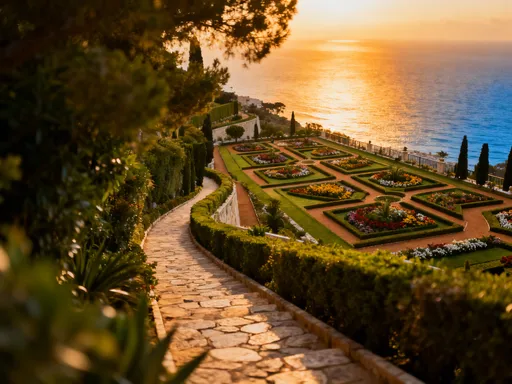
No image of Haifa is complete without the terraced Baha’i Gardens cascading down the slopes of Mount Carmel. Often photographed, sometimes crowded, these gardens are far more than a scenic backdrop—they are a living sanctuary of peace, symmetry, and spiritual intention. Designed as a pilgrimage site for the Baha’i faith, the gardens stretch over nineteen terraces, each meticulously maintained and aligned with symbolic precision. But their beauty is not just visual; it’s experiential.
Visiting during the early morning or golden hour transforms the experience entirely. As the sun dips below the horizon, the light softens, casting long shadows across the manicured lawns and reflecting off the central fountain. The air grows still, and the usual murmur of tourists fades into quiet reverence. This is when the gardens reveal their true nature—not as a landmark to check off, but as a space for reflection and inner calm.
The path through the gardens is intentionally designed to guide visitors upward, both physically and metaphorically. Each step brings a new perspective, not just of the city below, but of oneself. The silence is profound, broken only by the rustle of leaves or the distant call to prayer from a nearby minaret—a reminder of Haifa’s interwoven religious communities. While photography is allowed in designated areas, many find that putting the camera away allows for a deeper connection to the moment.
What most visitors don’t realize is that the gardens are part of a larger spiritual complex, including the Shrine of the Bab, a holy site for Baha’is around the world. Though non-Baha’is cannot enter the shrine, the surrounding pathways and viewing areas offer a sense of solemn beauty. Informational plaques provide context about the faith’s principles of unity, equality, and global peace—values that resonate deeply, especially for travelers seeking meaningful experiences.
For women who value introspection and emotional balance, the Baha’i Gardens offer a rare opportunity to pause. In a world that often feels rushed and fragmented, this space stands as a testament to harmony and intention. Whether you’re drawn by the aesthetics, the spirituality, or simply the need for stillness, a visit here can become a highlight of your journey—one that lingers long after you’ve left.
Wadi Salib & Neve Shanan: A Revival Story
Once a quiet, overlooked corner of Haifa, Wadi Salib has undergone a remarkable transformation. Nestled between the bustling downtown and the foot of Mount Carmel, this historic district was once home to a vibrant Arab population before the mid-20th century. Over time, it faded into neglect, with abandoned buildings and empty streets. But in recent years, a new wave of energy has breathed life back into the area, turning it into a canvas for creativity and renewal.
Today, Wadi Salib and the adjacent Neve Shanan neighborhood are emerging as centers of artistic expression. Murals cover once-dilapidated walls, depicting scenes of cultural memory, nature, and hope. Local artists have converted old homes into studios and exhibition spaces, where visitors can watch paintings take shape or attend small gallery openings. The transformation is not about erasing the past, but honoring it while building something new.
Weekend pop-up markets have become a staple, offering handmade jewelry, ceramic mugs, and organic soaps crafted by regional artisans. Musicians often perform in the courtyards, their melodies floating through the narrow alleys. These events draw both locals and curious travelers, creating a sense of community that feels genuine and inclusive. Unlike commercialized markets, these gatherings have a grassroots charm—there’s no pressure to buy, only an invitation to participate.
Old buildings are being repurposed with care. A former warehouse now houses a community kitchen that teaches traditional cooking techniques to youth. Another has been turned into a cultural center offering workshops in calligraphy, dance, and storytelling. These initiatives reflect a broader theme: urban renewal rooted in education and cultural preservation. For visitors, especially those interested in social impact and creative regeneration, Wadi Salib offers an inspiring narrative of resilience and rebirth.
The district’s revival is not without challenges, but its progress is undeniable. What was once a symbol of decline has become a beacon of possibility. Walking through its streets today, you can feel the energy of people invested in their neighborhood’s future. It’s a powerful reminder that cities, like people, can heal and grow when given care and vision.
Bat Galim & the Maritime Touch
For a change of pace, Bat Galim offers a seaside escape infused with academic calm and marine wonder. Located along the lower slopes of Mount Carmel, this coastal neighborhood is home to quiet beaches, the historic Bat Galim promenade, and the original campus of the Technion—Israel’s prestigious institute of science and technology. The atmosphere here is relaxed, intellectual, and deeply connected to the sea.
One of the most enjoyable ways to arrive is by riding the Haifa Cable Car, which glides smoothly from the top of Mount Carmel down to the shoreline. The ride itself offers breathtaking views of the city and the bay, but the real charm begins when you step off. The promenade stretches along the water, lined with benches, palm trees, and small kiosks selling fresh juice and snacks. Locals jog, walk their dogs, or simply sit and watch the waves—a rhythm that feels both peaceful and nourishing.
Nearby, the Technion’s marine research facilities contribute to the area’s unique character. While not open to the public, their presence is felt in the clean, scientific ambiance and the occasional lecture or exhibit hosted for visitors. The nearby National Institute of Oceanography occasionally offers guided tours or open-house events, where you can learn about marine conservation, underwater robotics, and Mediterranean ecosystems. These experiences are especially engaging for travelers who appreciate learning through travel.
The beach itself is modest but well-kept, with soft sand and calm waters—ideal for a quiet swim or a peaceful walk at sunset. Unlike busier coastal destinations, Bat Galim remains low-key, attracting more locals than tourists. Families spread out towels, children build sandcastles, and couples stroll hand in hand. There’s a sense of safety and simplicity here that feels refreshing.
For those seeking a blend of relaxation and quiet stimulation, Bat Galim delivers. It’s a place where you can unplug from the noise of daily life while still feeling intellectually engaged. Whether you spend your time reading on the promenade, visiting a science exhibit, or simply watching the sea, this neighborhood offers a restorative pause in your journey.
Wadi Nisnas: Culture, Food & Festival Soul
If Haifa has a cultural heartbeat, it pulses strongest in Wadi Nisnas. This historic Arab neighborhood is a living tapestry of tradition, flavor, and celebration. Narrow streets wind between stone houses, their balconies overflowing with flowers. Music often spills from open windows—oud melodies, dabke rhythms, or the soft hum of prayer. But the true magic happens during the annual Summit of Cultures festival, when the entire neighborhood comes alive in a burst of color, dance, and shared joy.
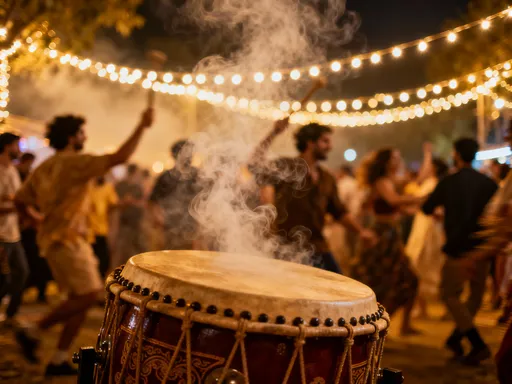
During the festival, streets are closed to traffic and transformed into open-air stages. Dancers in traditional dress perform in courtyards, chefs demonstrate age-old recipes in pop-up kitchens, and children paint murals alongside artists. The air fills with the scent of za’atar, grilled lamb, and sweet semolina pastries. Visitors are not just observers—they’re welcomed as participants. A grandmother might invite you into her home for tea, a shopkeeper may offer a taste of homemade jam, and a musician could hand you a tambourine to join the circle.
Even outside the festival, Wadi Nisnas remains a destination for authentic cultural exchange. Family-run restaurants serve dishes passed down for generations—stuffed grape leaves, slow-cooked lamb with rice, and warm pita fresh from the oven. One of the most beloved treats is ka’ak, a ring-shaped bread sprinkled with sesame seeds, often enjoyed with olive oil and thyme. Eating here isn’t just about nourishment; it’s about connection.
Respectful exploration is key. Simple gestures—smiling, saying “shukran” (thank you), dressing modestly—go a long way in building trust and warmth. Many locals appreciate when visitors show genuine interest in their customs, whether it’s asking about a recipe or listening to a family story. These small interactions create lasting memories far beyond any photograph.
Wadi Nisnas embodies the soul of Haifa: diverse, welcoming, and deeply rooted in heritage. For women who value meaningful travel, this neighborhood offers a rare chance to experience culture not as a performance, but as a living, breathing reality.
Mount Carmel’s Hidden Trails & Nature Zones
For those craving solitude and natural beauty, the Carmel Nature Reserve offers a sanctuary just minutes from the city. This protected area covers over 10,000 acres of forest, valleys, and coastal cliffs, forming a green lung that sustains both wildlife and weary souls. Unlike crowded parks, the reserve’s trails are often quiet, allowing for true immersion in nature.
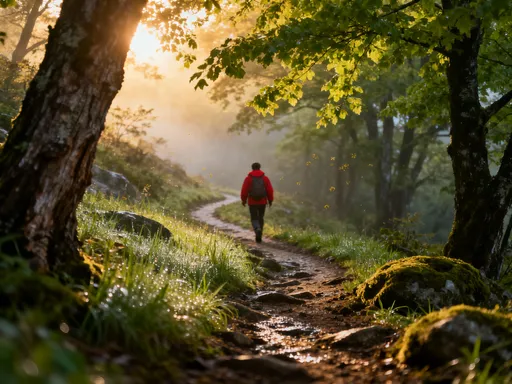
One of the most scenic routes is the Ein Namer Trail, a moderate loop that winds through pine forests and opens onto sweeping views of the Mediterranean. In spring, wildflowers blanket the hillsides—cyclamen, anemones, and golden broom create a living mosaic. Birdwatchers may spot hoopoes, warblers, or even Bonelli’s eagles soaring overhead. The air is rich with the scent of pine and damp earth, a sensory contrast to the urban energy below.
Another favorite is the Ammi’ad Trail, which follows an old aqueduct and passes by remnants of ancient terraces. These subtle traces of human history blend seamlessly with the natural landscape, reminding visitors that people have lived in harmony with this land for centuries. Interpretive signs along the path provide insights into local flora, geology, and conservation efforts—perfect for those who enjoy learning while they walk.
For a more secluded experience, the Nahal Rubin path leads to a small coastal stream and hidden coves where the sea meets the rock. It’s an ideal spot for a quiet picnic or a moment of reflection. Because it’s less known, few tourists make it here, making it a true local secret.
Accessing these trails is easy with a little planning. Local hiking groups often organize guided walks, and park rangers are available at information points to offer maps and safety tips. Wearing comfortable shoes, carrying water, and checking the weather are simple steps that ensure a pleasant experience. For women who value self-care and mindful movement, these nature zones offer a powerful way to reconnect—with the earth, with oneself, and with the quiet strength of the natural world.
Conclusion
Haifa’s true beauty lies in its diversity of themes—each neighborhood a chapter in a deeper story. It’s not about ticking off sights, but immersing in distinct atmospheres that surprise and inspire. Whether you’re drawn to culture, nature, or urban charm, Haifa offers a private journey through thoughtfully layered spaces. From the spiritual serenity of the Baha’i Gardens to the creative rebirth of Wadi Salib, from the maritime calm of Bat Galim to the cultural warmth of Wadi Nisnas, each area invites you to slow down and engage with intention.
What makes Haifa exceptional is how these worlds coexist without conflict, each preserving its identity while contributing to the city’s rich mosaic. For the thoughtful traveler—particularly women seeking meaningful, balanced, and enriching experiences—Haifa is not just a destination, but a revelation. It rewards those who look closer, who listen, who wander with curiosity and respect.
Plan your visit not as a checklist, but as a personal exploration. Let the city guide you from one theme to the next, allowing space for unexpected moments—a shared cup of tea, a quiet path through the pines, a mural that speaks to your heart. In Haifa, the journey itself becomes the destination, and every turn reveals a new layer of beauty waiting to be discovered.