Beyond the City: Where Gdańsk’s Wild Soul Comes Alive
Have you ever wandered beyond the postcard-perfect streets of a city and stumbled upon something truly raw and beautiful? That’s exactly what happened when I ventured into the natural landscapes around Gdańsk, Poland. Away from the amber shops and historic facades, I discovered windswept dunes, whispering forests, and serene wetlands teeming with life—proof that this coastal gem offers more than meets the eye. While many travelers confine their experience to the cobbled lanes of the Old Town, the true soul of the region pulses just beyond the urban edge, in places where sand meets sea, forests breathe in silence, and wildlife moves unseen. This guide invites you to explore the quieter, wilder side of northern Poland—one where nature isn’t an afterthought, but the heart of the journey.
Why Nature Lovers Should Look Beyond Gdańsk’s Old Town
Gdańsk is celebrated for its reconstructed Gothic architecture, vibrant marinas, and rich Hanseatic history. Yet, for those willing to step beyond the tourist hubs, the surrounding landscape reveals a striking contrast to the city’s orderly streets. Just 20 to 30 minutes from the city center, a network of natural reserves, protected dunes, and forested lakes unfolds, offering a refreshing balance to urban exploration. This proximity to diverse ecosystems makes the Tricity area—comprising Gdańsk, Sopot, and Gdynia—one of the most accessible urban-nature gateways in Central Europe.
According to Poland’s Central Statistical Office, over 40% of the Pomeranian Voivodeship’s land is covered by forests, and the region boasts more than 2,000 lakes and wetlands. The Bay of Puck, part of the larger Gdańsk Bay, is recognized as a Natura 2000 protected site due to its ecological significance. These designations aren’t merely bureaucratic—they reflect a living, breathing environment that supports rare plant species, migratory birds, and marine life. For visitors, this means opportunities for immersive, low-impact experiences that are both restorative and educational.
Stepping into nature isn’t just about changing scenery; it’s about shifting perspective. Studies in environmental psychology have shown that even short exposure to natural environments can reduce stress, improve mood, and enhance cognitive clarity. When travelers spend their days navigating crowds and historical sites, a walk through a pine forest or along a quiet shoreline can provide essential mental reset. The contrast between Gdańsk’s bustling Long Market and the stillness of a coastal dune creates a rhythm that deepens the travel experience, allowing for both discovery and reflection.
What makes this region particularly special is the diversity packed into a relatively small area. Within a single day, one can begin with coffee in a seaside café, hike through shifting dunes by midday, and end with a forest trail under a canopy of ancient trees. This variety, combined with well-maintained public transport and clear trail signage, makes it ideal for solo travelers, families, and older adults seeking gentle outdoor activity. The natural areas around Gdańsk are not remote or inaccessible—they are integrated into the region’s identity, waiting to be noticed by those who look beyond the obvious.
Sopot and the Rolling Waves of the Baltic Shoreline
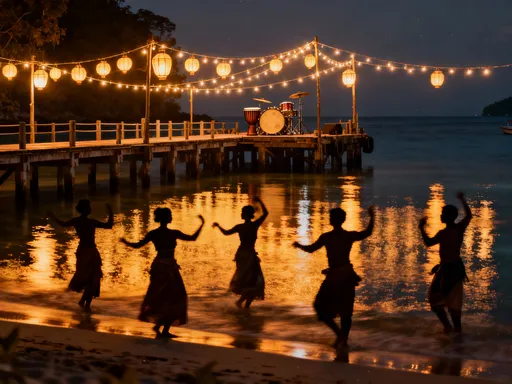
Sopot, nestled between Gdańsk and Gdynia, is often celebrated for its elegant villas and the iconic wooden pier that stretches 512 meters into the Baltic Sea. Yet beyond the resort atmosphere lies a coastline shaped by natural forces—wind, water, and time. The sandy beaches of Sopot are more than sunbathing spots; they are dynamic landscapes where dunes form natural barriers, and sea grasses anchor the shifting sands. Walking along the shore at dawn, when the light spills softly over the water and the air carries the crisp scent of salt, one can feel the quiet pulse of the coast.
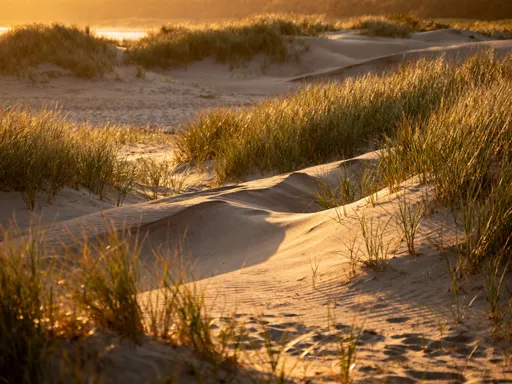
The beach itself is part of a larger coastal ecosystem. Behind the shoreline, small dune systems support specialized vegetation like marram grass and sea rocket, both of which play a crucial role in stabilizing the sand. These plants have adapted to harsh conditions—strong winds, salt spray, and nutrient-poor soil—making them resilient yet fragile. Visitors are encouraged to stay on marked paths to avoid damaging these delicate root systems. Even a single footprint off-trail can accelerate erosion, especially during the dry summer months.
For a more immersive experience, the coastal trail extending from Sopot toward Gdynia offers a scenic route along the water’s edge. This paved path, suitable for walking or cycling, passes through areas where the sound of waves blends with the rustle of beach grass. Benches along the way invite pauses, and informational panels in both Polish and English explain the local ecology. Early mornings are ideal for solitude, as the crowds have yet to arrive and the light is perfect for photography. Late spring and early autumn offer cooler temperatures and fewer tourists, making them optimal times for extended walks.
Footwear matters on this terrain. While flip-flops may suffice on the flat sand, those venturing into the dunes or nearby forest trails should wear supportive walking shoes. The sand can be uneven, and sudden breezes make balance important. For families, the beach near Sopot’s lighthouse is gently sloping and supervised during summer, making it safe for children. Local cafés serve fresh seafood and herbal teas, allowing visitors to refuel while still immersed in the seaside atmosphere. Sopot, in this way, becomes not just a destination, but a gateway to the rhythms of the Baltic coast.
The Majestic Slope of the Żurawie Dunes at Jurata
Approximately 40 kilometers west of Gdańsk, along the southern coast of the Bay of Puck, lies one of the region’s most dramatic natural features—the Żurawie Dunes in Jurata. Rising up to 25 meters above sea level, these wind-sculpted sand formations stretch for kilometers, creating a landscape that feels both ancient and ever-changing. The dunes are part of the Jurata Landscape Park, a protected area established to preserve the unique geology and biodiversity of the region. From the summit of the main ridge, the view unfolds in sweeping panoramas: the calm waters of the bay to the north, dense pine forests to the south, and the distant silhouette of the Hel Peninsula on clear days.
These dunes are not static. Shaped by prevailing westerly winds, they slowly migrate over time, a process that has fascinated geologists and ecologists alike. The movement of sand is carefully monitored, and conservation efforts focus on planting native grasses to stabilize the most vulnerable slopes. The ecosystem here is surprisingly rich. Rare species such as the Baltic dune violet and the sand lizard find refuge in the sheltered pockets of the dunes. Birdwatchers may spot skylarks, meadow pipits, and even the occasional short-eared owl gliding over the grasslands at dusk.
Visitors can access the area via a well-marked trail that begins near the Jurata tourist center. The path is clearly signposted, with wooden steps built into the steeper sections to prevent erosion. Hiking the dunes takes about 45 minutes at a moderate pace, with several viewpoints along the way. One of the most photographed spots is the “Eagle’s View” platform, a small wooden deck that juts out over the slope, offering a breathtaking vantage point. It’s a favorite among photographers at sunrise, when the low light accentuates the textures of the sand.
Historically, the dunes served more than an aesthetic purpose. In the early 20th century, local fishermen and families used the natural hollows as temporary shelters during storms. Some even stored supplies in the drier sections, taking advantage of the dunes’ insulating properties. Today, these stories are shared through interpretive panels along the trail, adding a human dimension to the natural narrative. Importantly, off-trail hiking is strictly prohibited in sensitive zones, and visitors are reminded that even small disturbances can have long-term consequences. The beauty of the Żurawie Dunes lies not just in their grandeur, but in their fragility—a reminder that nature demands respect as much as admiration.
Kashubian Forests: Where Ancient Trees Guard Hidden Trails
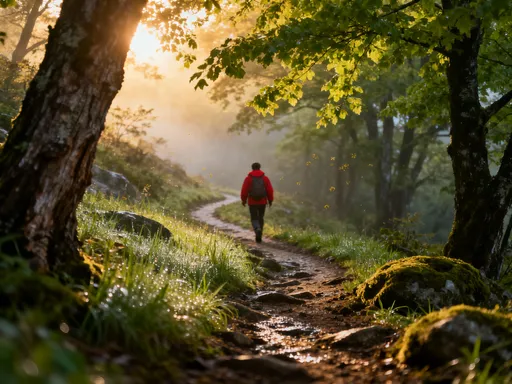
Inland from the coast, the Kashubian region reveals a different kind of tranquility—one defined by towering pines, moss-covered paths, and the soft murmur of forest streams. Known as the cultural heartland of the Kashubian people, this area is also a haven for nature lovers seeking quiet reflection. The forests here are part of a larger network of woodlands that stretch across northern Poland, but what sets them apart is their accessibility and the richness of their understory. Unlike dense, dark coniferous forests elsewhere, the Kashubian woods often feature open canopies that allow sunlight to filter through, creating dappled patterns on the forest floor.
One of the most beloved destinations is the area surrounding Wdzydze Lake, often called the “Kashubian Sea” due to its size and clarity. The lake is surrounded by protected forest, and a series of well-maintained trails loop around its shores. Hiking here feels like stepping into a storybook—paths wind through ferns and wild strawberries, and in autumn, the forest floor glows with golden leaves. Deer are commonly seen at dawn and dusk, and the calls of woodpeckers and warblers provide a natural soundtrack. The air carries the scent of pine resin and damp earth, a combination that many describe as instantly calming.
Access to these forests is straightforward. Regular regional buses connect Gdańsk with towns like Kartuzy and Kościerzyna, from which local shuttles or taxis can take visitors to trailheads. For the more adventurous, bike rentals are available in several towns, and dedicated cycling routes link forest areas with small villages. Some trails are paved or gravel-surfaced, making them suitable for strollers or wheelchairs, while others are natural dirt paths better suited for hiking boots. Local eco-guides offer seasonal tours, particularly in spring and autumn, focusing on birdwatching, plant identification, or forest bathing practices.
The therapeutic value of these forests is increasingly recognized. In Poland, the concept of “szlachetna cisza”—noble silence—is often associated with the Kashubian woods, where the absence of urban noise allows for deep listening and mindfulness. Research from the Polish Academy of Sciences suggests that time spent in such environments can lower cortisol levels and improve sleep quality. For middle-aged and older travelers, these gentle, low-impact walks offer both physical activity and emotional renewal. The forests do not demand athleticism; they invite presence. Whether sitting on a bench by a forest pond or walking slowly beneath ancient oaks, the experience is one of reconnection—with nature, with oneself, and with the quiet rhythms of life.
Wetlands and Wildlife at the Słowiński National Park Periphery
While Słowiński National Park itself lies about two hours west of Gdańsk, its ecological influence extends into the broader Pomeranian region, particularly in the form of smaller wetland reserves that mirror its famed landscapes. These areas—marshes, reed beds, and shallow lakes—serve as critical habitats for birds, amphibians, and aquatic plants. Though less famous than the park’s moving dunes, they offer equally rewarding experiences for those interested in wildlife observation and ecological conservation.
One accessible example is the wetland complex near the village of Łeba, where boardwalks wind through reed-lined channels. These elevated paths allow visitors to move quietly through the habitat without disturbing nesting birds or fragile vegetation. The area is especially rich during spring and autumn migration, when thousands of birds pass through on their journey between northern breeding grounds and southern wintering sites. Species such as the common snipe, reed bunting, and even the elusive bittern can be spotted with patience and a good pair of binoculars. Early mornings are best, when mist rises from the water and the light is soft.
Conservation efforts in these wetlands are ongoing. Local environmental groups work with the Polish Ministry of Climate and Environment to monitor water quality, control invasive plant species, and restore native vegetation. Volunteers participate in annual clean-up days, and educational programs are offered to schools and community groups. Visitors are encouraged to follow ethical guidelines: keeping noise to a minimum, avoiding feeding wildlife, and staying on designated paths. These practices ensure that the wetlands remain healthy and undisturbed.
For families, these areas offer a chance to teach children about ecosystems in a hands-on way. Interpretive centers often feature interactive displays, bird calls, and magnified views of insect life. The pace is slow, the mood contemplative. Unlike the energy of the beach or the exertion of a forest hike, time in the wetlands invites stillness. It’s a place to listen, to watch, to wait. And in that waiting, one often discovers the subtle beauty of a dragonfly’s flight, the ripple of a frog entering the water, or the distant call of a marsh harrier circling overhead.
Seasonal Shifts: When and How to Experience Each Landscape
The natural landscapes around Gdańsk undergo remarkable transformations throughout the year, each season offering a distinct character and set of experiences. Understanding these shifts allows travelers to plan visits that align with their interests and comfort levels. Spring, from March to May, brings a surge of life. Wildflowers such as wood anemones and pasque flowers bloom in the forests, and migratory birds return to the wetlands. Temperatures average between 8°C and 15°C, making layering essential. Lightweight waterproof jackets and sturdy shoes are recommended, as trails can be muddy after rain.
Summer, from June to August, is the most popular time for coastal visits. Beaches in Sopot and Jurata are at their warmest, with average temperatures ranging from 18°C to 23°C. This is ideal for swimming, sunbathing, and outdoor dining. However, it is also the busiest season, so early morning or late evening visits offer more solitude. Sunscreen, hats, and reusable water bottles are must-haves. For those seeking cooler temperatures, forest hikes during summer days provide shade and relief from the heat.
Autumn, from September to November, is often considered the most beautiful season in the Kashubian region. The forests turn golden and crimson, and the air becomes crisp. Fungi foraging is a popular local activity, though visitors should only collect with a guide to avoid poisonous species. Average temperatures range from 5°C to 14°C, requiring warm layers and windproof outerwear. This season is ideal for photography, with the interplay of light and color creating stunning visuals.
Winter, from December to February, transforms the landscape into a quieter, more introspective space. While snowfall varies, the dunes and forests take on a stark, minimalist beauty. Coastal walks in winter offer dramatic skies and powerful waves, with fewer people on the trails. Temperatures average between -2°C and 3°C, so thermal clothing, gloves, and insulated boots are essential. Some trails may be icy, so traction aids or microspikes are advisable. Despite the cold, winter is a rewarding time for those seeking peace and reflection. The silence of a snow-covered forest or the solitude of a windswept beach can be deeply restorative.
Putting It All Together: Crafting Your Nature-Focused Escape
Designing a nature-centered trip to the Gdańsk region doesn’t require abandoning its cultural treasures—it means integrating them into a broader, more balanced experience. Start with a morning in the Old Town, sipping coffee in a historic square, then head out by midday to one of the nearby natural sites. A sample itinerary might include a visit to Sopot’s beach in the morning, followed by a late lunch in a seaside café, and an afternoon hike in the Kashubian forests. For a longer excursion, a day trip to the Żurawie Dunes or the wetlands near Łeba offers a deeper immersion.
Transportation is convenient and reliable. The SKM commuter train connects Gdańsk, Sopot, and Gdynia every 15 to 30 minutes, making coastal exploration easy. Regional buses operated by PKS reach more remote areas like Kartuzy and Jurata. Bike rentals are available in most towns, and many trails are part of the EuroVelo 10 cycling route, which follows the Baltic coast. For those without a car, guided eco-tours are offered by local operators, often including transport, a knowledgeable guide, and light refreshments.
Packing essentials include a reusable water bottle, a small backpack, a weather-appropriate jacket, and a basic first-aid kit. A field guide to local birds or plants can enhance the experience, as can a journal for reflections. Most importantly, adopt a mindset of slow travel—leave room for unplanned pauses, unexpected discoveries, and moments of stillness. Let the rhythm of nature set the pace.
Gdańsk is more than a historical destination. It is a threshold—a place where urban life meets wild beauty, where the past coexists with the living present. By stepping beyond the postcard views, travelers uncover a deeper connection to the land, to its quiet wonders, and to themselves. The dunes, forests, and wetlands around Gdańsk do not shout for attention; they whisper. And in listening, one finds not just scenery, but soul. So the next time you plan a journey to this corner of Poland, remember: the most memorable moments may not be in the guidebooks. They are waiting in the wind, in the trees, in the silence between the waves.