Lost in the Soul of Medina: Where History Breathes
Medina isn’t just a destination—it’s a journey into the heart of Islamic heritage. Walking through its sun-drenched streets, I felt time slow down, as if the city itself was whispering stories of centuries past. From the sacred serenity of Al-Masjid an-Nabawi to hidden corners only locals know, every alley holds meaning. This is exploration at its most profound: not just seeing a place, but feeling it. The air carries a quiet reverence, the pace of life reflects deep-rooted values, and the architecture tells tales of devotion across generations. For those seeking connection beyond the surface, Medina offers a rare gift—space for reflection, authenticity, and spiritual renewal, all wrapped in the warmth of a city that lives its history every day.
The Spiritual Core: Al-Masjid an-Nabawi and Its Living Legacy
At the heart of Medina stands Al-Masjid an-Nabawi, one of the holiest sites in Islam and the final resting place of the Prophet Muhammad (peace be upon him). More than a mosque, it is a living center of faith, community, and continuity. Originally built in the 7th century as a simple structure of palm trunks and mud walls, it has expanded over centuries into one of the largest and most architecturally significant religious spaces in the world. Today, it spans over 400,000 square meters and can accommodate more than one million worshippers during peak times, especially in Ramadan and the Hajj season.
What sets this mosque apart is not only its size but its atmosphere—a deep sense of peace that envelops visitors upon entry. The call to prayer echoes across the vast courtyards, and the rhythmic movement of worshippers in synchronized prayer creates a powerful visual and spiritual rhythm. The Green Dome, located above the Prophet’s tomb, is a focal point of reverence, though direct veneration is discouraged in Islamic tradition. Instead, visitors offer prayers and blessings from a respectful distance, maintaining the sanctity of the space. The Rawdah, an area between the Prophet’s home and pulpit, is considered one of the gardens of Paradise, and many pilgrims wait patiently for a brief moment to pray there, a deeply personal and emotional experience.
The mosque also serves as a hub of daily life. Its shaded arcades host quiet study circles, elderly men reciting the Quran, and families gathering after prayer. The complex includes libraries, educational centers, and medical clinics, reinforcing its role as a community anchor. Modern expansions have preserved traditional Islamic architectural elements—domes, minarets, and geometric patterns—while incorporating climate-responsive design such as retractable umbrellas that provide shade during the day. This blend of reverence and functionality reflects Medina’s unique ability to honor the past while serving the needs of the present.
The Old City Vibes: Wandering Through Historic Neighborhoods
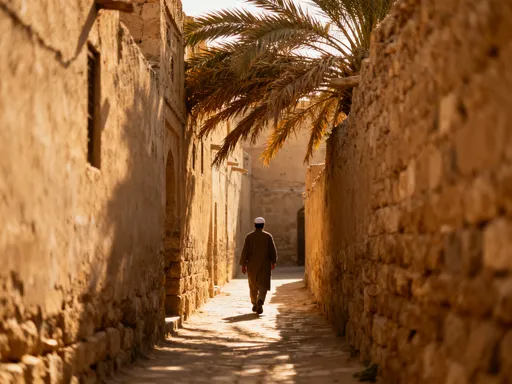
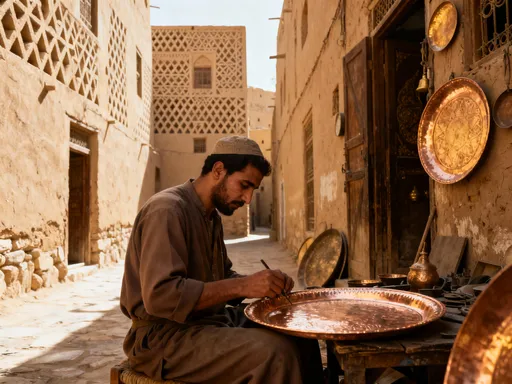
Beyond the grandeur of the mosque, Medina’s soul thrives in its historic neighborhoods, where time moves with a quieter rhythm. Areas like Al-Suq and Al-Haram, located near the mosque, are filled with narrow alleys, traditional stone houses, and small family-run shops that have operated for generations. These quarters are not preserved as museums but lived in, offering an authentic glimpse into the city’s enduring culture. The walls, built from local volcanic rock known as hajar, bear the marks of time—chipped edges, weathered surfaces, and faint inscriptions that hint at centuries of stories.
Walking through these streets is a sensory journey. The scent of oud smoke drifts from open doorways, mingling with the aroma of freshly baked bread and simmering spices. The call to prayer echoes off stone facades, blending with the soft hum of conversation in doorways and the occasional laughter of children playing in shaded courtyards. Shopkeepers sit behind counters stacked with prayer beads, incense, and handmade leather goods, offering warm greetings to passersby. These neighborhoods are not designed for tourists but for daily life, and that authenticity is what makes them so compelling.
Despite rapid urban development, efforts have been made to preserve the character of these historic zones. Restoration projects focus on maintaining traditional architecture while upgrading infrastructure like plumbing and electricity. Some homes have been converted into guesthouses, allowing visitors to stay in the heart of the old city and experience its rhythms firsthand. These stays offer more than comfort—they provide connection. Sharing tea with a local family, hearing stories passed down through generations, or simply watching the sunset from a rooftop overlooking the mosque can leave a lasting impression, far deeper than any sightseeing list could capture.
Quba Mosque: The First Light of Worship
On the southern edge of Medina lies Quba Mosque, the first mosque ever built in Islamic history. Constructed by the Prophet Muhammad (peace be upon him) upon his migration from Mecca, it holds a special place in the hearts of Muslims worldwide. The Quran itself mentions the virtue of visiting and praying at Quba, making it a cherished destination for pilgrims and residents alike. Many come on Saturdays, following the tradition of the Prophet, to offer voluntary prayers and seek spiritual blessings.
The current structure, while modern in construction, retains a sense of simplicity and humility that reflects its origins. Its large courtyard is shaded by fabric canopies, and the prayer halls are adorned with elegant chandeliers and intricate tile work. Unlike the grand scale of Al-Masjid an-Nabawi, Quba offers a more intimate atmosphere—quiet, contemplative, and deeply peaceful. The surrounding gardens and walking paths make it a popular spot for families and individuals seeking a moment of reflection away from the city’s busier areas.
What makes Quba especially meaningful is its symbolism. It represents the foundation of community in Islam—the coming together of believers to build a space of worship and unity. Standing in its courtyard, one can imagine the early Muslims laying stones, sharing labor, and establishing the first Islamic congregation. Today, the mosque continues to serve as a center for learning and worship, with regular lectures and prayer gatherings. For visitors, a trip to Quba is not just a religious act but a connection to the roots of a faith that has shaped civilizations.
The Green Belt: Date Palms and Oasis Culture
Medina is often called the city of palms, and for good reason—its landscape is defined by vast groves of date trees that stretch across the outskirts and even into residential areas. This green belt is more than scenic; it is central to the city’s identity, economy, and way of life. Dates have been cultivated in Medina for over 1,400 years, and the region is known for producing some of the finest varieties in the world, including Ajwa, Sukkari, and Safawi. These fruits are not only a dietary staple but also a symbol of hospitality and generosity.
Local farmers, many of whom are descendants of generations of date growers, maintain traditional irrigation methods using ancient underground channels and surface canals. These techniques, passed down through centuries, reflect a deep understanding of the desert environment. The farms are often family-run, with men tending the trees and women preparing and packaging the harvest. Visiting a date farm offers a rare opportunity to see this heritage in action—climbing a ladder to taste a fresh date still warm from the sun, learning how different varieties are classified, or watching the careful process of drying and storing the fruit.
In recent years, eco-friendly agro-tourism initiatives have allowed visitors to experience this agricultural tradition responsibly. Guided tours emphasize sustainability, respect for the land, and cultural exchange. Some farms offer overnight stays in traditional mud-brick guesthouses, where guests enjoy meals made from local ingredients and listen to stories under a sky full of stars. These experiences highlight a side of Medina that is often overlooked—the quiet dignity of rural life, the connection between faith and nature, and the enduring value of hard work and simplicity.
Hejaz Railway Station: A Portal to the Past
On the eastern edge of Medina stands the Hejaz Railway Station, a silent monument to a bygone era of travel and connectivity. Built during the late Ottoman period in the early 20th century, the railway was designed to transport pilgrims from Damascus to Medina, covering over 1,300 kilometers through harsh desert terrain. Though the line ceased regular operations in the 1920s due to political changes and infrastructure challenges, the station remains as a preserved historical site, offering a glimpse into a time when faith, engineering, and imperial ambition converged.
The building itself is a blend of Ottoman and local architectural styles, with arched windows, stone masonry, and a prominent clock tower. Inside, exhibits display photographs, maps, and artifacts from the railway’s operation—old locomotives, passenger carriages, and personal belongings of travelers. Interpretive panels explain the challenges of constructing the line, including water scarcity, tribal conflicts, and extreme temperatures. Despite its short operational life, the railway played a crucial role in facilitating pilgrimage, reducing travel time from weeks to just a few days.
Today, the site serves as a museum and cultural landmark. Visitors, especially families and history enthusiasts, walk through the restored platforms and imagine the arrival of weary pilgrims after their long journey. The station also hosts educational programs and heritage festivals, helping younger generations connect with this chapter of Islamic history. While the tracks no longer run, the legacy of the Hejaz Railway endures as a symbol of unity, perseverance, and the enduring importance of the pilgrimage journey.
Local Flavors: Tasting Medina Beyond the Holy Sites
To truly know Medina, one must taste it. Beyond the spiritual landmarks, the city’s culinary traditions offer a rich and flavorful window into daily life. The cuisine of the Hejaz region is distinct—aromatic, balanced, and deeply rooted in hospitality. Meals are often shared among family and guests, served on large platters with hands washed in preparation, reflecting values of generosity and togetherness.
Dishes like kabsa, a fragrant rice meal cooked with meat, spices, and dried lime, are staples at home and in modest restaurants alike. Madfoon, a traditional dish where meat is slow-cooked in a pit underground, is reserved for special occasions and family gatherings, offering a unique taste of ancient cooking methods. Saleeg, a creamy rice porridge often served with chicken and ghee, is a comfort food commonly eaten at breakfast or during colder months. These meals are not served in grand settings but in simple, family-run eateries where plastic stools and tiled floors are the norm, and the focus is entirely on flavor and warmth.
Street food also plays a vital role in Medina’s food culture. Small stalls sell haneeth sandwiches, spiced lentil pastries, and fresh-squeezed pomegranate juice. One can find balila, a warm chickpea dish topped with cumin and tahini, served in paper cones from dawn until midday. For dessert, nothing compares to a plate of fresh dates paired with laban (yogurt drink) or a cup of cardamom-scented Arabic coffee. These culinary experiences are not about luxury but about connection—between people, generations, and traditions.
Modern Medina: Balancing Growth and Tradition
Medina is changing. With millions of visitors arriving each year, especially during religious seasons, the city has undergone significant expansion. New hotels, transportation networks, and pedestrian walkways have been developed to accommodate growing numbers while maintaining safety and accessibility. The area around Al-Masjid an-Nabawi has been redeveloped with multi-level plazas, underground parking, and climate-controlled corridors, allowing worshippers to move comfortably even in extreme heat.
Yet, with growth comes challenge. The city must balance modernization with preservation—ensuring that sacred sites remain accessible without losing their spiritual essence. Authorities have implemented strict guidelines for construction near historical zones, limiting building heights and requiring traditional design elements. Digital tools, such as mobile apps for prayer times, crowd monitoring, and guided tours, help manage visitor flow while enhancing the experience. Security measures are in place to protect pilgrims, but they are designed to be unobtrusive, maintaining the city’s welcoming atmosphere.
Local residents play a key role in this balance. Many have embraced the opportunity to host guests, open small businesses, and share their culture. At the same time, there is a strong commitment to preserving Medina’s identity—not as a tourist destination, but as a living religious city. Schools teach the history and values of the community, and religious institutions continue to guide daily life. The goal is not to freeze the city in time but to grow with purpose, ensuring that progress serves faith, family, and tradition.
Why Medina Stays With You
Medina does not reveal itself in grand gestures or dramatic sights. Its power lies in quiet moments—the soft light of dawn over the mosque’s domes, the sound of a child reciting Quran in a courtyard, the warmth of a stranger offering you a cup of coffee. It is a city that invites presence, not performance. Visitors do not come to check landmarks off a list but to pause, reflect, and reconnect—with faith, with history, with humanity.
What stays with you is not just what you see, but what you feel. The sense of belonging, even as a guest. The dignity of a community rooted in centuries of tradition. The realization that some places are not just visited but carried within. Medina is not a destination to conquer but a legacy to honor. For those who approach it with respect and openness, it offers something rare in our fast-moving world: stillness, depth, and a quiet kind of transformation. In the end, to walk through Medina is not just to travel through space, but to step into the flow of time itself—where history breathes, and the soul finds its echo.