How I Turned My Old Fridge Into a Smarter Investment (And You Can Too)
What if upgrading your kitchen appliances wasn’t just about convenience—but part of a smarter financial strategy? I used to think appliance replacements were just unavoidable expenses. Then I started seeing them differently: as predictable moments in a larger investment cycle. By planning ahead, comparing real long-term value, and aligning upgrades with broader financial goals, I turned routine spending into a system that saves money and builds stability. Here’s how this shift changed my approach for good.
The Hidden Cost of Ignoring Appliance Lifecycles
Most households treat appliance replacement as a surprise—a broken washing machine, a refrigerator that suddenly stops cooling, or an HVAC unit that gives out during extreme weather. These moments often trigger emergency responses: quick online searches, rushed trips to appliance stores, and last-minute financing decisions. But behind this reactive behavior lies a deeper financial cost that few consider. When upgrades are unplanned, families tend to pay more—not just in purchase price, but in interest, convenience fees, and suboptimal product choices. The average refrigerator lasts 10 to 14 years, a dishwasher 9 to 12, and a washing machine 10 to 13. Yet most people don’t track these timelines until failure occurs.
This lack of foresight turns essential purchases into financial shocks. A study by the Federal Reserve found that nearly 40% of Americans would struggle to cover a $400 emergency expense. When a major appliance fails, that $400 quickly becomes $800, $1,200, or more—especially if credit cards or high-interest financing are used. The cost isn’t only monetary. Stress, time spent researching under pressure, and compromised decision-making all take a toll. For families already managing tight budgets, an unexpected appliance failure can disrupt other financial plans, delay savings goals, or even lead to debt accumulation.
But what if these events weren’t surprises at all? What if, instead of reacting, you could anticipate them? Recognizing that every appliance has a predictable lifespan transforms the narrative. Rather than viewing replacements as random costs, they become expected, budgeted milestones—like car maintenance or property taxes. This shift in perspective allows for proactive planning. You can save gradually, compare models over time, and make informed decisions based on performance, efficiency, and total cost of ownership. In doing so, you convert a moment of crisis into a point of control.
The financial benefit of this approach is clear. A planned replacement avoids inflated emergency prices, financing penalties, and the pressure to accept whatever is in stock. It also allows you to time purchases strategically—during sales, rebate seasons, or when new models are released and older ones are discounted. More importantly, it aligns spending with income cycles, such as tax refunds or annual bonuses, making the cost easier to absorb. When you stop treating appliance upgrades as emergencies, you begin to see them for what they truly are: predictable investments in your home’s functionality and efficiency.
Mapping the Investment Cycle in Everyday Life
Many people associate investment cycles with stocks, bonds, or real estate—long-term assets that appreciate or generate income. But the same principles apply to durable household goods. An investment cycle consists of five phases: acquisition, depreciation, maintenance, replacement, and reinvestment. When applied to appliances, this framework transforms how you think about spending. Instead of viewing a refrigerator as a one-time expense, you see it as an asset with a measurable lifespan, ongoing costs, and eventual replacement value.
Take the example of a refrigerator purchased for $1,200. In the first few years, it operates at peak efficiency, requiring minimal maintenance. Over time, its performance declines—seals wear, cooling becomes less consistent, and energy consumption increases. By year ten, it may still function, but it’s costing more to run and becoming less reliable. This is depreciation in action. Just like a car loses value and efficiency over time, so do home appliances. The difference is that most people don’t track this decline until it results in failure.
By mapping this cycle, you gain insight into when to act. Maintenance—such as cleaning coils, replacing water filters, or checking door seals—can extend an appliance’s life and maintain efficiency. But there comes a point when repairs exceed a reasonable threshold, typically around 50% of the cost of a new unit. At that stage, replacement becomes a more rational choice. And when you plan for that moment, you can reinvest wisely—choosing a model that offers better energy ratings, longer warranties, or smart features that reduce long-term costs.
This approach shifts the focus from immediate cost to total value. A newer, energy-efficient refrigerator might cost $1,500, but if it saves $100 annually on electricity and lasts 12 years, the net benefit becomes clear. Over its lifetime, that $1,200 in savings offsets much of the initial outlay. Add in reduced repair costs and improved reliability, and the financial case strengthens. The key is recognizing that every appliance follows this cycle. By tracking it, you move from emotional reactions to strategic decisions—treating your home not just as a place to live, but as a system to manage wisely.
Why Systematic Planning Beats Emotional Spending
Behavioral finance teaches us that people are not always rational when it comes to money. We tend to favor immediate gratification over long-term gains, a tendency known as present bias. This plays out clearly in home spending. A shiny new refrigerator with a built-in water dispenser and smart screen might seem like a great deal during a weekend sale—especially if it’s advertised as “50% off.” But without a plan, such purchases are often impulsive, misaligned with actual need, and financially disruptive.
Emotional spending leads to overbuying, overspending, and regret. A family might replace a working refrigerator simply because a newer model looks appealing, only to realize later that the upgrade didn’t solve any real problem. Or worse, they finance the purchase and end up paying hundreds in interest for a feature they rarely use. These decisions are often driven by marketing, social comparison, or the thrill of a deal—not by necessity or financial logic.
Systematic planning offers a better alternative. It begins with setting clear criteria for replacement: age of the appliance, frequency of repairs, increase in energy bills, or decline in performance. For example, a rule might be: “Replace the refrigerator when it’s over 12 years old or when repair costs exceed $300.” These guidelines remove emotion from the decision. They create a framework that allows you to evaluate choices objectively, based on data rather than desire.
Another benefit of planning is timing. Instead of buying during a moment of crisis or temptation, you can align purchases with financial milestones. A tax refund, annual bonus, or the end of a debt repayment plan might be the ideal moment to make a planned upgrade. This not only makes the cost easier to manage but also ensures that the purchase supports, rather than undermines, broader financial goals. By replacing impulse with intention, you turn spending into strategy—and gain greater control over your household budget.
Building a Personal Upgrade Timeline
Every home is different, and so is every appliance timeline. A family of four with frequent laundry needs will wear out a washing machine faster than a single person living alone. A refrigerator in a hot, humid climate may degrade more quickly than one in a temperate region. To build an effective plan, you need to assess your unique situation. The first step is taking inventory: list every major appliance in your home, including purchase date, brand, model, and estimated lifespan.
Start with the basics: refrigerator, oven, dishwasher, washing machine, dryer, HVAC system, and water heater. For each, note the typical lifespan based on manufacturer data and consumer reports. Then, adjust for your usage patterns. If you cook daily, your stove may need replacement sooner. If you run the dishwasher multiple times a week, expect it to wear out faster. This personalized assessment helps you estimate when each appliance is likely to need replacement.
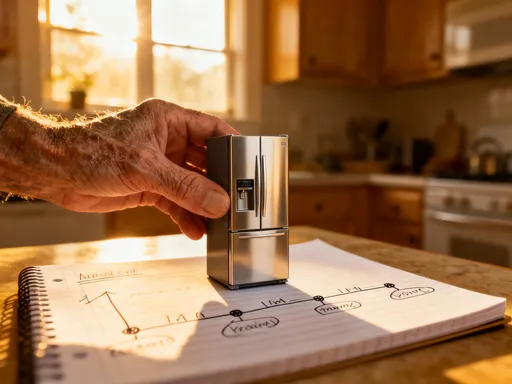
Next, create a rolling calendar. Assign each appliance a replacement window—say, “refrigerator: 2028–2030” or “HVAC: 2026–2027.” This range accounts for uncertainty and allows flexibility. Then, integrate these dates into your annual budgeting process. If a refrigerator is due in three years, start setting aside $30 a month now. This way, when the time comes, the funds are available without disrupting other financial plans.
The goal is not to follow a rigid schedule but to gain visibility. When you know what’s coming, you can prepare. You’ll have time to research models, compare energy ratings, and watch for sales. You’ll avoid the stress of a sudden breakdown and the pressure to make a hasty decision. More importantly, you’ll protect your financial stability by turning unpredictable expenses into planned investments. This simple act of foresight can make a significant difference in how you manage money at home.
Maximizing Value: Efficiency, Resale, and Timing
Upgrading an appliance isn’t just about spending money—it’s about creating value. A newer, more efficient model can reduce monthly utility bills, require fewer repairs, and even qualify for rebates or tax incentives. For example, ENERGY STAR certified refrigerators use about 15% less energy than standard models. Over 10 years, that could translate into hundreds of dollars in savings. Similarly, high-efficiency washing machines use less water and electricity, lowering both utility costs and environmental impact.
But value doesn’t end with energy savings. Consider what happens to the old appliance. If it’s still functional, selling it online can recoup part of the original cost. Platforms like Craigslist, Facebook Marketplace, or OfferUp allow homeowners to find buyers for used appliances. Even if you only get 20% to 30% of the original price, that’s money back in your pocket. Alternatively, donating to a nonprofit or Habitat for Humanity ReStore may offer a tax deduction, providing another financial benefit.
Recycling is another option, especially for non-working units. Many retailers offer haul-away services when you buy a new appliance, and some municipalities provide free pickup for old units. In certain cases, utility companies offer rebates for recycling old refrigerators or freezers—sometimes up to $50—as part of energy efficiency programs. These small incentives add up over time.
Timing also plays a crucial role. Appliance prices often drop during specific times of year. January and February, for instance, are popular months for sales, as retailers clear out previous year models. Late spring and early summer can be good for HVAC units, while September and October may offer deals on washers and dryers. Back-to-school season sometimes includes appliance promotions as well. By aligning your purchase with these cycles, you can save hundreds of dollars—without sacrificing quality.
Together, these strategies improve the net cost-benefit of each upgrade. You’re not just replacing an old unit—you’re optimizing for long-term savings, resale value, and timing advantages. This mindset transforms appliance spending from a loss into a calculated financial move.
Integrating Upgrades into Broader Financial Goals
Appliance planning shouldn’t exist in isolation. When integrated with your overall financial strategy, it becomes a tool for greater stability and progress. Consider how delaying a non-urgent upgrade can free up cash to pay down high-interest debt. Every dollar saved on a planned purchase is a dollar that can accelerate loan repayment, build emergency savings, or contribute to retirement accounts.
For example, if you postpone replacing a working dishwasher for two years, the $40 a month you would have saved can instead go toward a credit card balance. At 18% interest, that could save you hundreds in finance charges. Once the debt is under control, you resume saving for the appliance—with less financial pressure. This coordination creates synergy between spending and saving goals.
Similarly, energy-efficient upgrades support long-term cost control. A new refrigerator that saves $100 a year on electricity effectively earns a 6% return on a $1,500 investment—better than many savings accounts. Over time, these savings compound, freeing up more money for other priorities. When viewed this way, appliance upgrades aren’t just expenses; they’re investments in financial efficiency.
For homeowners, well-timed upgrades can also enhance property value. A modern, functional kitchen with updated appliances is more appealing to buyers. While you shouldn’t upgrade solely for resale, maintaining your home’s systems ensures you’re not forced into a rushed sale due to deferred maintenance. This long-term perspective reinforces the importance of consistent, planned care.
The key is alignment. Each financial decision should support the others. By integrating appliance planning with debt management, savings goals, and home maintenance, you create a cohesive strategy that builds resilience. Spending becomes intentional, not reactive. And over time, this approach leads to greater confidence and control over your financial life.
Creating a Sustainable, Stress-Free System
The ultimate goal of this approach is not perfection, but sustainability. You don’t need to track every appliance with military precision or replace everything on a strict schedule. What matters is developing a system that works for your life—one that reduces stress, prevents surprises, and helps you make smarter choices with your money.
Start small. Begin with one appliance—your refrigerator, for example. Track its age, note any repair history, and estimate when it might need replacement. Set up a dedicated savings jar or bank account. Even $20 a month adds up over time. As you gain confidence, expand the system to other appliances. Over the years, this habit becomes second nature.
The benefits go beyond money. When you plan ahead, you reduce anxiety. You no longer dread the sound of a malfunctioning motor or a leaking hose. You know what’s coming, and you’re ready. This sense of control extends to other areas of life, reinforcing healthy financial behaviors. You become more intentional about spending, more patient with decisions, and more confident in your ability to manage unexpected events.
Moreover, this system supports long-term financial health. By turning routine expenses into planned investments, you avoid debt traps, reduce waste, and make better use of your resources. You’re not chasing deals or reacting to breakdowns. Instead, you’re building a foundation of stability—one appliance at a time.
In the end, the refrigerator isn’t just a kitchen appliance. It’s a symbol of how small, consistent actions can lead to meaningful financial change. When you see your home as a system of predictable cycles, you gain power over your spending. You stop losing money to surprises and start building wealth through intention. And that’s a strategy anyone can use—to live with less stress, greater clarity, and more control over their financial future.